What Convenience Has Taken From Our Table

Christmas time reminds me just how important food is in our lives. Or maybe, how important it used to be, before it slowly became something convenient and easy to forget.

On Christmas day this year there were fifteen people at our table. I always try to take a moment, once everything is on the table, to sit back and watch everyone tuck into the meal that we prepared together. Plates are filled and cleared quickly and I used to think the meal was over far too fast, never quite enough to justify the time spent preparing it because the eating part never lasts very long.
But this year, sitting watching everyone tuck in, it occurred to me that the meal actually takes up most of the day. We spend hours preparing it, and that shared effort is what our Christmas celebrations revolve around every year. Different generations of our family drift in and out of the kitchen, peeling, chopping, tasting. Generations chatting because we are together, not because anyone planned a conversation. We swap tips, argue about timings and laugh about old cooking disasters.
The same stories come up every year. Nana getting tipsy halfway through the day. Mum breaking her wrist one Christmas and us kids having to cook the meal. Mum being mortified because she forgot the peas. My sister incinerating the duck. The Christmas we had a power cut and my Bampa didn't take his bobble hat off all day. Stories about family members I never knew, people who never sat at my table, but who feel familiar because their Christmas stories are told every year as part of the ritual.
This is the part people miss when they say a meal is over too quickly. The eating is only the final moment. The real meal happens long before anyone sits down, a meal is built slowly through shared effort and time spent together without any real agenda.
And this is exactly what convenience food is taking from us.
Ultra-processed food has not just changed what is on our plates. It has removed the need to cook at all, and with it the natural spaces where conversation, teaching, remembering and passing things on used to happen. Meals have become something to just consume rather than something to take part in.
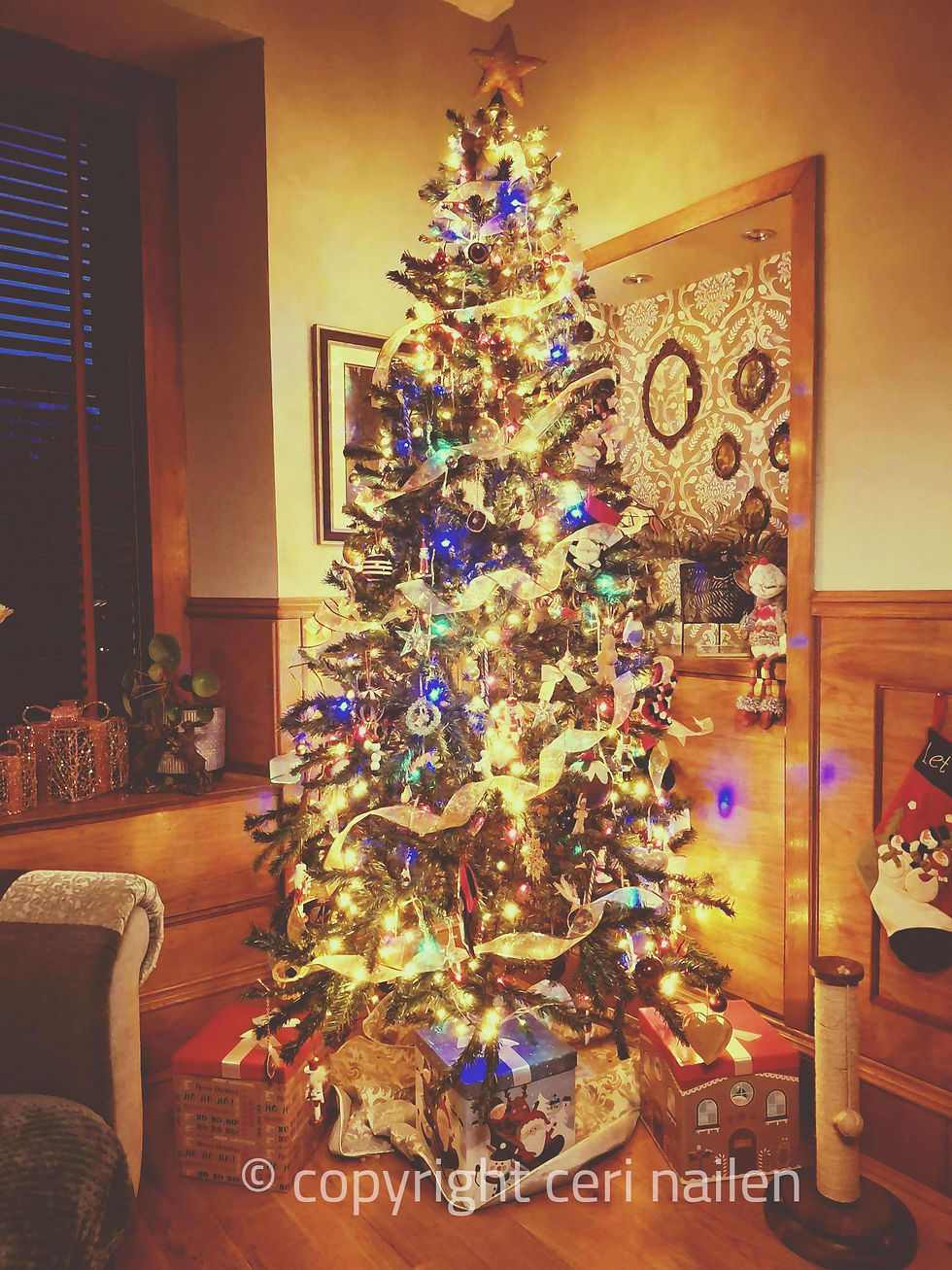
At Christmas, I feel the loss of traditional meal times more, especially as I get older. Christmas dinner is one of the few meals we still prepare in a traditional way, and it highlights what has quietly disappeared the rest of the year. The family meal used to be the centre of the day. It kept people in the same room long enough for conversation to happen naturally. You couldn’t rush it or hand it off completely. You had to be involved, even if only a little.
In our family there is a meat plate that has sat on our Christmas table for over 150 years. It still comes out every year. It isn’t decorative or precious. It’s practical. That plate has been lifted, passed and carved from by generations of my family. Many of those hands are gone now. For me, it represents a time when meals were shared events, shaped by effort and patience.
When you cook in this way, things get remembered. When you don’t, they slowly fade. If we let convenience replace cooking, food risks becoming something we eat quickly and move on from, stripped of the time, effort and shared moments that once gave it meaning.
Cooking allows something else to happen. It gives us a reason to be together without forcing it. Hands are busy, conversation comes and goes, stories surface and small bits of knowledge are passed on without anyone making a point of it.

It turns food into a process rather than a transaction. Time slows slightly. Memories have somewhere to settle. Relationships are shaped quietly, through repetition and the simple act of making a meal.
Convenience makes things easier, but it comes with a cost that isn't really acknowledged. When effort disappears, routines disappear with it. When routines go, shared time goes too. And when shared time goes, so do traditions. Traditions don’t end suddenly. They just stop being repeated.
I’m not pretending the past was perfect. It wasn’t. But there was something precious in the slow methodical approach, in the annoying frustrations, in the shared responsibility of creating a meal together. Something that feels increasingly rare, and missed, even if we don’t always notice it.
It makes me sad that we have allowed convenience to replace cooking, that food has become something we shove into our mouths: fast and easy, missing the shared time, effort and stories that once made meal times meaningful.


Comments